Share Your Knowledge, Make an Impact at EDUCAUSE 2026
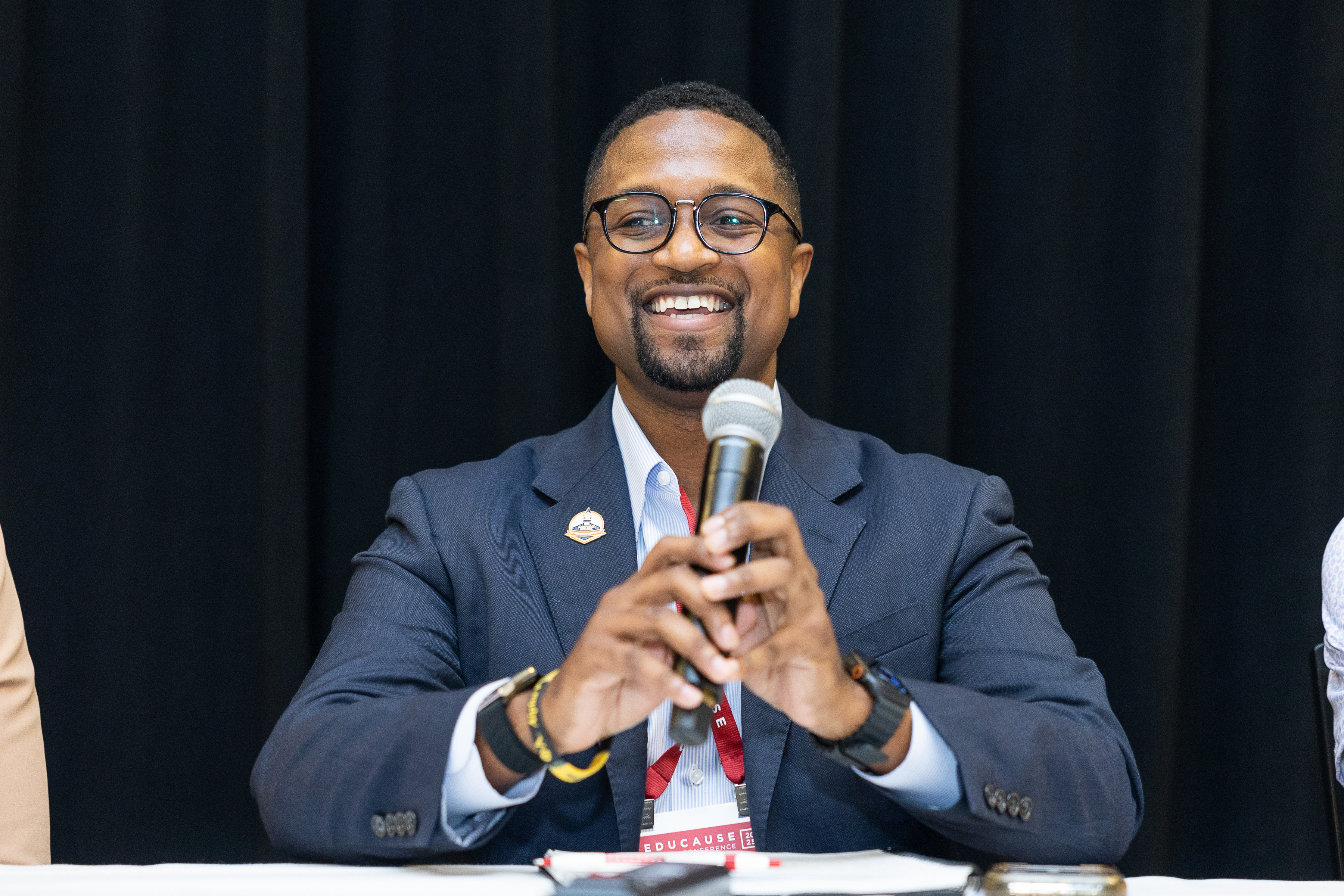
Presenting a content-rich session at the EDUCAUSE Annual Conference, whether individually or as part of a team, is a wonderful way to share knowledge, experiences, and ideas with lifelong friends and new acquaintances.
The conference's community-generated program showcases future directions, best practices, stories of successful collaborations, lessons learned, and solutions to community-wide issues within various program tracks.
Whether you are a first-time or veteran presenter, we welcome your submission! Please read this page carefully before you begin work on your proposal, and submit your proposal by April 7, 2026.*
The call for proposals is now closed.
An EDUCAUSE profile is required to submit a proposal, present, and register for the event. Please take the time now to create a profile or update your profile.
* With a Corporation?
View the Corporate Session Submissions section for options for presenting at this year's event.
-
Key Dates ➞
-
Steps to Submit a Session Proposal ➞
-
Program Tracks ➞
-
Delivery Choices ➞
-
Session Elements ➞
-
Corporate Session Submissions ➞
-
Community Group Sessions ➞
-
FAQs ➞
“It was my first time presenting at EDUCAUSE, so I was nervous about doing it. In the end, it all went well, making it a satisfying event. Additionally, I am very impressed with the materials you have compiled and shared on what makes a good presentation. I know that improves the quality of everyone's work.”
—Past EDUCAUSE Annual Conference Presenter
Key Dates

| Call for proposals opens | March 10, 2026 |
| Proposal deadline | April 7, 2026 (11:59 p.m. ET) |
| Registration opens | Early June |
| Proposals notification sent | Late June |
| Conference program live | Mid-July |
| EDUCAUSE Annual Conference | Denver, CO | September 29–October 2 |
| EDUCAUSE Annual Conference | Online | October 14–15 |
Steps to Submit a Proposal

Learn how to create and submit an excellent proposal by reviewing all of the information on this Call for Proposals page. Additional tips are also available on the EDUCAUSE Presenter Concierge pages. Feel free to watch the recording from the March 18th Member QuickTalk | Creating a Winning Annual Conference Proposal.

Develop a proposal based on one of the program tracks/focus areas. You may start a proposal within the site and save it as a draft as you go. For a sneak peek at the CFP submission form and to share for collaboration, you may download or copy and share these documents: CFP Template 1 (Fillable for Collaboration); CFP Template 2 (Accessible, Not Fillable).

Before submitting your proposal, please review the Presenter Requirements for the 2026 EDUCAUSE Annual Conference.

Submit your proposal between March 10 and April 7, 2026. Submitters and presenters will be notified about decisions in late June.

If your proposal is accepted, attend and present at the 2026 EDUCAUSE Annual Conference at the Colorado Convention Center in Denver, CO (September 29–October 2), or online (October 14–16). Registration is required of all presenters. Learn more about EDUCAUSE's expectations of presenters.
Program Tracks

The Advisory Committee has identified suggested areas of focus (tracks/topics) for 2026. Preference will be given to the proposals that sufficiently reflect what you have done or are planning to do in one of these areas.
Your proposal may fit under multiple track options. If so, we recommend that you choose the track that best represents your content and goals. If you’re not sure which track to choose, select “Help Me Decide” and the advisory committee will help you select the best track for your session submission.
- ☐ Cybersecurity, Privacy, Risk, and Compliance
- ☐ Data, Analytics, and Data-Informed Decision-Making
- ☐ Enterprise IT, Infrastructure, and Service Delivery
- ☐ Innovation, Partnerships, and Emerging Technologies
- ☐ Institutional Transformation and Sustainability
- ☐ Leadership, Strategy, and Organizational Change
- ☐ Research Computing, Academic Research, and Cyberinfrastructure
- ☐ Student Experience, Engagement, and Success
- ☐ Teaching and Learning
- ☐ Help Me Decide/Other
Delivery Choices

The available session formats are described below. Please select the one that best fits your session structure and presentation style. You will also choose an event option:
- The in-person event in Denver, CO, September 29–October 2.
- The online event October 14–15.
- You may also indicate that you would like to be considered for both events. Please do NOT submit identical proposals for different formats or events.
Note: Although EDUCAUSE will make every effort to honor your preference for delivery format, we reserve the right to assign the format based on space and program balance.
In-Person Session Delivery Formats
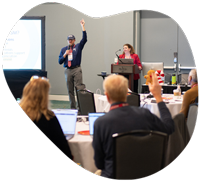
Delivering a presentation at the conference is the best way to connect with—and be remembered by—your audience! These sessions are opportunities to share topics of interest, lessons learned, foresight, or case-making evidence related to a conference track. Presenters should include ways to actively engage the audience in the session. These sessions will be scheduled in traditional breakout rooms as well as the specially designed EDUCAUSE Commons (Exhibit Hall) Theaters. You may have a maximum of four presenters for this session type.
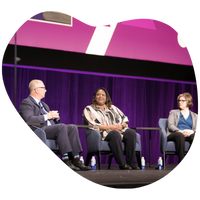
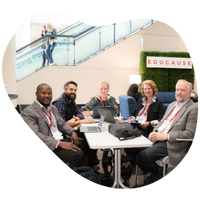
Do you like the synergy of small groups and prefer conversation to presentation? This type of session works best for those looking to connect as “birds of a feather” or convene a smallish group of individuals (fewer than 20 people) who want to discuss a specific issue or just meet with others interested in the same topic or who hold the same type of job. These sessions will likely be scheduled in the EDUCAUSE Commons (Exhibit Hall) Hub space and are best positioned as conversations versus presentations. Note: Projectors and screens will not be provided. A microphone will be provided, however, for a brief introduction by the host(s). You may have a maximum of two hosts/facilitators for this session type.
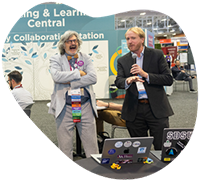
These concise, high-energy presentations are designed to deliver key insights in a short time frame.Typically 5 minutes in length, Ignite sessions feature no more than 20 slides that automatically advance every 15 seconds, making every second count. This format emphasizes clarity, engagement, and efficient communication, using compelling visuals or stories to capture attention. It encourages speakers to present in a precise, dynamic way. Training included! Want to see Ignite Sessions in action? View this recording from last year’s conference. You may have a maximum of one presenter for this session type.
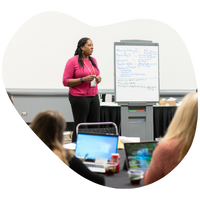
Would your topic benefit from a deeper dive with a highly engaged audience? Preconference workshops offer an interactive, hands-on format led by experienced facilitators, enabling participants to explore challenges, exchange solutions, and apply practical strategies relevant to their campuses.
Develop a Strong Workshop Proposal with AI Support
Need help shaping your proposal before submitting it? The EDUCAUSE Workshop Proposal Builder (currently offered as a pilot and designed to support preconference workshop proposals only at this time) helps you turn an idea into a well-structured proposal with AI support. For more information and to access the Proposal Builder, click here.
Workshop presenters receive a modest honorarium, complimentary conference registration, and a microcredential recognizing their expertise. Participants who complete the activities and the post-event evaluation will earn a digital microcredential. Workshops will be held Tuesday, September 29, 2026, the day before the main conference, as half- or full-day sessions. Each workshop may include up to four facilitators.
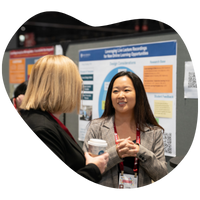
Sometimes, a picture is truly worth a thousand words. The poster format gives higher education technology professionals the unique opportunity to share, examine, and discuss cutting-edge problems, issues, and solutions in a casual, personal environment. Using physical poster displays, presenters will visually showcase their topics, offering a captivating visual representation of their research, projects, or experiences. As participants explore the poster displays, presenters will be available to engage in one-on-one or small-group discussions, providing a personalized understanding of their work. To see visuals of the poster area from past conferences, please visit the Poster Picture Gallery here. You may have a maximum of two presenters for this session type.
Special Poster-Presenter Registration Discount! Each poster presenter will receive a 25% discount off their in-person Annual Conference registration. (Maximum of two presenters per poster session.)
Networking Opportunities in Denver!
EDUCAUSE is excited to announce that Braindates will be back! Attendees of the in-person event will have opportunities to create on-demand Braindates (1:1 meet-ups on any topic of choice), as well as participate in impromptu roundtable meet-ups and create/attend early-morning or after-hours activities. These “sessions” are not part of this Call For Proposal process; more information will be shared later via conference communications and the EDUCAUSE Annual Conference webpage about how to participate.
Online Session Delivery Formats
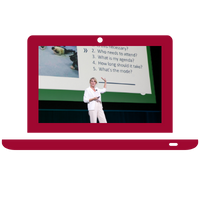
If you thrive on "going live," this online session format is for you! Live sessions happen in real time, beginning at specific scheduled times within the online event platform. While watching the sessions, attendees can submit questions that presenters will have the opportunity to answer at the end of the session during a dedicated Q&A. You may have a maximum of four presenters for this session type.

Lead a conversation that matters. Facilitated conversations bring colleagues together around timely topics, emerging challenges, and questions that lack established playbooks. These sessions work when you have a challenge that needs multiple perspectives and lived experiences from different institutional contexts. This is your opportunity to tap into the collective wisdom of the community.
The facilitator's role is to guide the conversation, ensure it remains focused, encourage active participation, and foster an inclusive and welcoming environment for all attendees. You may have a maximum of two facilitators for this session type.
These mini-presentations are informal, interactive sessions designed to spark conversations and build personal connections. Virtual poster presenters will share their topic using a visual “poster” (1–2 slides) and will give a brief presentation (approximately five minutes), followed by time for questions and brief discussion. Because many virtual poster sessions will take place concurrently, attendees may visit several posters during the 45-minute session. Each poster presentation runs approximately 5–10 minutes. Presenters should plan to repeat their presentation as new attendees join throughout the session. You may have a maximum of two presenters for this session type.
Elements of the Session Proposal

Session Title (100-character limit)
Create a short title that is creative yet descriptive. We ask that you do not use institution, company, or product names in the title.
Abstract (1,500-character limit)
This is a short description of what your session is about. If your proposal is accepted, the abstract is what most attendees will use to make decisions about which sessions to attend. What can you say that will encourage your colleagues to attend your session?
Session Takeaways (200-character limit)
Clear session outcomes/takeaways are essential components of every session. Submitters should provide three takeaways within their proposal. Proposal reviewers will closely examine and rate each proposed session's takeaways, which should clearly describe what participants will know or be able to do as a result of participating in the session.
Participant Engagement Strategies (100-character limit)
If you want to keep your attendee’s attention, you need a plan for engagement. Please include the specific and creative ways in which you will engage with participants.
Session Description (4,000-character limit)
This is where you get to more fully describe the plan for your session. Great descriptions answer the following as succinctly as possible: What problems are you helping participants solve? What is the relevance of the content and value to the higher education IT and technology community? How is your session unique? In addition, we encourage you to describe how the session will unfold (timetable).
Keywords
You will be asked to provide three keywords that relate to your presentation.
Level of Expertise
Indicates the expected knowledge and experience of participants (introductory, intermediate, or advanced) to help attendees determine if the session is a good fit for their background and learning goals.
Example : “Intermediate: Designed for professionals with hands-on experience implementing or supporting this work who are ready to move beyond foundational concepts into applied strategies and lessons learned.
Submitter Comments (optional)
If you have any additional comments or would like to clarify any pieces of information within the CFP, you will have the opportunity to do so within the submission site.
Corporate Session Proposals

Are you with a corporation and interested in presenting or plan to co-present with an institutional partner? EDUCAUSE values insights from the corporate community. Two options are available for you to contribute your thought leadership to this year's event:
-
Submit a presentation proposal through the call for proposals (CFP) process.
You can go through the CFP process outlined on this page, in which case your proposal will be peer-reviewed along with all other proposals and the Advisory and Selection Committees will determine acceptance to the program. If your proposal is accepted, there will be no fee to present other than the conference registration fee to attend (just as for any non-corporate presenter). Deadline: April 7, 2026. For guidance on creating a winning corporate CFP submission, check out these tips:- Educational focus required.
Your presentation must be educational in nature and conducted in partnership with at least one presenter from a higher education institution. - Choose the presentation format that best fits your content.
There are several presentation formats to choose from including in-person and online presentations, public meet-ups or open houses, EDUCAUSE Ignite sessions, workshops, or small, panel-type sessions with four presenters and one moderator. Choose the format that fits your session structure and presentation style. - What accepted sessions typically have in common:
- Topics that are timely, trending, and highly relevant to the higher education community.
- Strong institutional partnerships. Nearly all past accepted sessions included a higher ed partner.
- Clear session outcomes tied directly to the session goals.
- Secure institutional partners early.
Identify and collaborate with your institutional partners before submitting. Co-creating the proposal helps elevate their voices, and our audience values hearing directly from institutional representatives about successful partnerships. - Craft a compelling session description.
Use the description to paint a clear picture of what will happen in the session. Go beyond the abstract and tell the story behind it. - Make the session engaging.
Creative elements such as design-thinking exercises or audience activities help your proposal stand out. With limited session space, an engaging format is just as important as an engaging topic.
- Educational focus required.
-
Purchase an EDUCAUSE Conference Partner package (limited opportunities available).
The EDUCAUSE Conference Partner package is our highest-level event package. As a Conference Partner, your company will receive priority selection for an in-person presentation, Lunch and Learn session, or conference sponsorship; sponsor recognition at the conference, complimentary full-conference registrations; and more. Presenters will be required to upload their presentations and/or supporting materials and resources prior to the conference. These valuable resources will then be posted for attendees to access during and after the event. Contact [email protected] for more information and to secure this opportunity.
For more information on conference tracks and delivery formats for submissions, start here.

A Special Note to Our Community Group Leaders
We are excited for Community Group (CG) leaders to submit session ideas through the Call for Proposals. Watch for special instructions to hit your inbox about how to proceed if you are a CG leader.
Call for Proposals FAQs

If EDUCAUSE accepts my submission, are there any speaker benefits?
We appreciate and want to acknowledge our presenters’ work—both prior to and during the conference—and the expertise they share with our community of higher education IT and technology professionals. As a presenter at EDUCAUSE 2026 you receive:
- Visibility and recognition for you as a thought leader and for your institution, organization or company
- A chance to give back to the profession and help peers devise solutions to current and emerging business challenges
- Access to exclusive, complimentary speaker coaching and resources to help make your session the best it can be
What are EDUCAUSE’s expectations of presenters?
Before submitting your proposal, please review the presenter requirements for the 2026 Annual Conference:
- For the in-person conference, all accepted presenters must present onsite in Denver. We cannot accommodate remote presenters at the face-to-face event.
- Prepare and practice. Advance preparation is vital for the success of all presentations. This includes regular meetings with your presentation team (if applicable).
- Create fresh, original, unique, and current content aimed to solve today’s problems.
- Attend speaker training and preparation meetings, be open to feedback, and meet all deadlines.
- All selected presenters must agree to and complete speaker agreement forms (sent to presenters upon acceptance).
- Profile requirement: An EDUCAUSE profile is required in order to submit a proposal, present, and register for the event. Please take some time before submitting a proposal to ensure all presenters have profiles. Create an EDUCAUSE Profile or login to update your profile. Presenters can create or update their profiles on the EDUCAUSE membership page.
- Presenter registration: Presenters are responsible for registering in advance for the conference, paying the full-conference registration fee, and securing and paying for travel and lodging. (Exceptions include accepted full- and half-day preconference workshop presenters who may receive modest compensation in the form of an honorarium and a complimentary conference registration.)
EDUCAUSE is piloting a new Workshop Proposal Builder, a custom AI assistant designed to help you design, refine, structure, and format your workshop idea before submitting your proposal—saving you time in the process. You can learn more about the assistant here.
How does the EDUCAUSE selection process work?
Proposals are selected to ensure the conference offers a comprehensive, non-promotional, not commercially biased, objective, and balanced program. Proposals that clearly describe innovative and creative work will receive the highest priority in the selection process. Attention will be given to creating a conference agenda that represents a range of institutions/organizations, presenters, and geographic location.
Proposals will be reviewed by the conference Advisory Committee and peer reviewers. The identity of proposal submitters and presenters will be hidden from reviewers during the peer review process.
What are the criteria for the review and selection process for presentation and panel sessions*?
 Relevance of Topic: Is the topic of relevance, importance, value, and/or interest to higher education?
- Session Outcomes: Is there alignment between the stated session outcomes and the proposal description?
- Quality of Submission: Does the proposal demonstrate quality, as measured by accuracy, clarity, comprehensiveness, and depth of demonstrated understanding of the topic?
- Engagement/Knowledge Transfer: Does the proposal provoke discussion and audience engagement, and/or does it facilitate knowledge transfer and the development of new competencies?
- Practical Application/Actionability: Does the proposal include concrete takeaways that attendees can use after the conference?
See the conference scoring rubric for full details.
*Note: A version of the rubric will be adapted for Meet-Ups, Posters, and EDUCAUSE Ignites.
Have Questions?
- If you have any questions about the call for proposals process, please contact [email protected].
- To report any potential issues or to request an accommodation to access the submission portal, please contact [email protected] or call 303-449-4430. You will receive a reply as soon as possible.
- For questions about registration or other conference details please contact the EDUCAUSE membership team at [email protected] or call 303-449-4430.
Advisory Committee
Special thanks goes to our EDUCAUSE Annual Conference Advisory Committee.